Ecological Importance
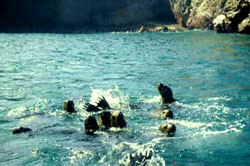
More than 20 conservation targets have been identified in Paracas, a testament to its biological value. Due to the area’s importance for tourism and protection of marine resources, its social and economic value are significant as well. Within its boundaries, Paracas is home to some 1,380 species. Although the terrestrial flora is scarce, 54 different plant species have been identified. Marine species, however, are abundant, with 295 species of marine algae, 190 mollusks species, 168 fish species, and 101 invertebrate species within the reserve’s waters. Many endangered and threatened species find refuge at Paracas, including the sea otter--which is in danger of extinction-- the South American fur seal, Southern sea lion, and leatherback and green sea turtles.
As part of the Hemispherical Network of Shorebird Reserves, Paracas is a haven for shorebirds, with 216 species. Among the endangered birds are the Humboldt penguin, American flamingo, and Peruvian diving petrel, as well as highly-threatened species such as the blue-footed booby, Peruvian booby, masked booby, three species of cormorant, black-faced ibis, Andean condor, peregrine falcon, and the black skimmer.
Threats
The most significant threat at Paracas continues to be the uncontrolled use of its marine resources. Paracas is plagued by pollution and waste dumped by fishmeal factories, visitors, fishermen, and residents. Commercial fishing and tourism thrive in the area but are largely unregulated.
A Strategy of Success
When PiP funding began in 1999, Paracas had limited staff, infrastructure, operational resources, and equipment. The reserve has since gained 19 permanent staff and a successful volunteer program with 20 summer season rangers. PiP also permanently enhanced staff communications and operations with fax machines, computers, printers, and training courses.
Much attention was paid to the reserve’s marine area, with the first marine research study in the reserve taking place at Mendieta Beach, a fragile area of rich biodiversity. Local fishermen participated in an exchange program where they agreed to stop unsustainable fishing activities in exchange for PiP’s assistance in developing new environmentally compatible enterprises.
PiP coordinated with local officials, private and grassroots organizations, and communities to strengthen the local conservation and sustainable resource management capacity in Paracas. The Peruvian government, Paracas staff, and PiP developed environmental campaigns to clean up beaches and local training workshops and improved the local waste management system.
PiP has also supported sustainable tourism activities in Paracas, developing documents that provide the local communities with information to design sustainable enterprises. A plan was created to attract tourists to other beaches in the buffer zone in order to reduce impacts within the reserve.
Upon site consolidation in 2002 at Paracas, The Nature Conservancy continued to support ProNaturaleza’s conservation work in the reserve and helped the organization to explore further strategies to ensure the long-term management of Paracas.
Read more about Paracas...
Pro Naturaleza






)